1
Independence
Many national flags mark the birth of a country, a revolution, or freedom from empire.
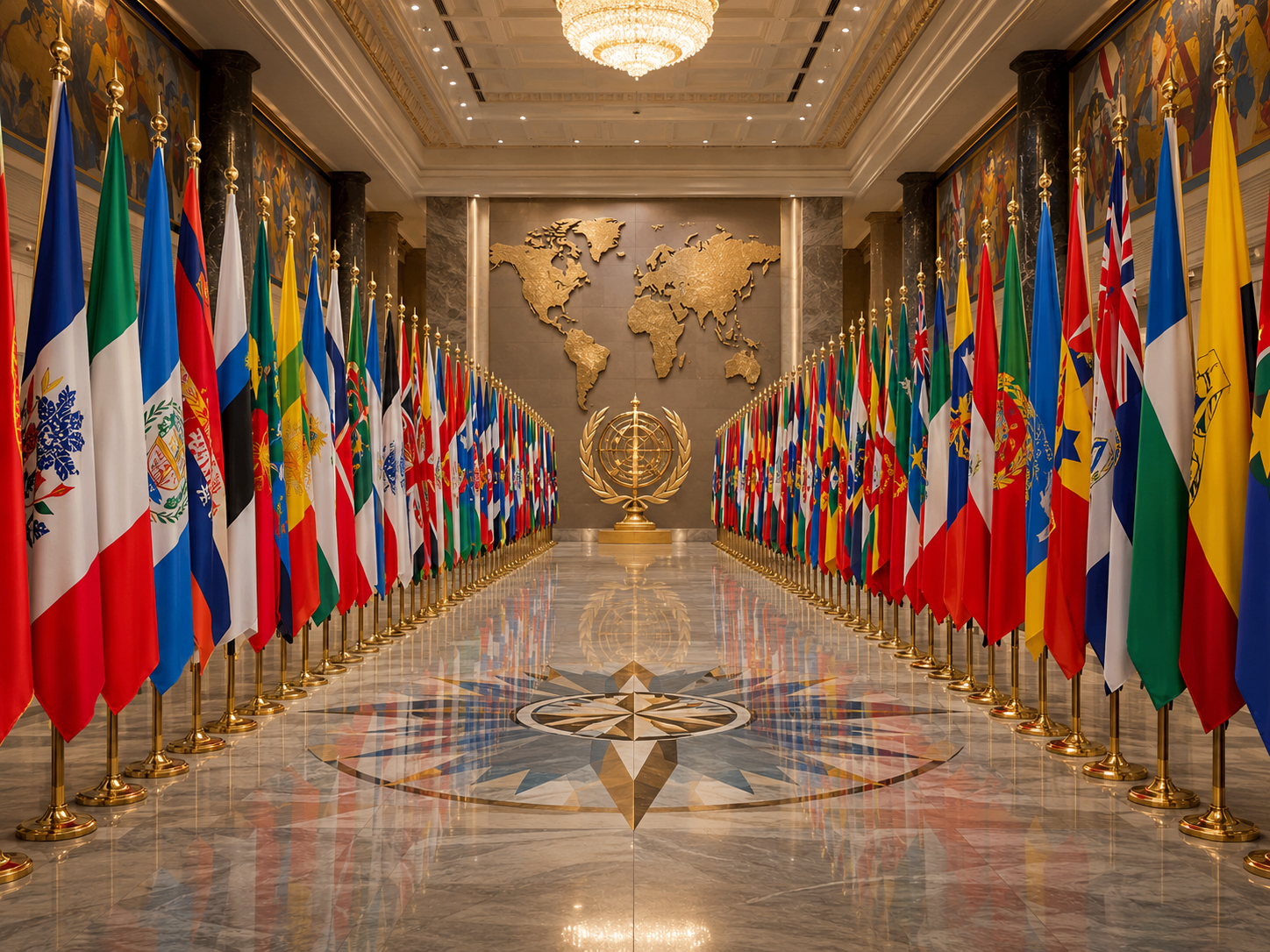
National flags compress history, independence, geography, sacrifice, faith, revolution, unity, and identity into color and cloth. They are among the most recognized symbols on Earth.
Country identity
Some national flags are simple stripes. Some carry stars, suns, crescents, crosses, seals, eagles, dragons, trees, weapons, maps, or sacred colors. Each design tries to answer the same question: what should a country look like from far away?
The answer is never only graphic design. A national flag carries stories of independence, union, revolution, grief, victory, geography, religion, monarchy, republic, and civic memory.
What national flags carry
National flags work because people agree to recognize them. The design may be simple, but the meaning can be enormous.
Many national flags mark the birth of a country, a revolution, or freedom from empire.
Colors, stars, stripes, and symbols often represent provinces, states, peoples, or regions.
Suns, mountains, seas, rivers, stars, trees, and animals can root a flag in place.
Crosses, crescents, colors, and sacred shapes can carry religious or philosophical meaning.
Flags often become symbols of those who served, fought, built, suffered, and hoped.
A strong national flag can be recognized instantly across a stadium, harbor, embassy, or battlefield.
The art of national identity
A national flag must work in motion, at distance, on paper, on uniforms, on ships, in classrooms, at embassies, in disasters, at funerals, and at celebrations.
That is why flag design is so difficult. The image has to be clear, but the meaning has to be large. It must belong to everyone and still feel specific to one country.
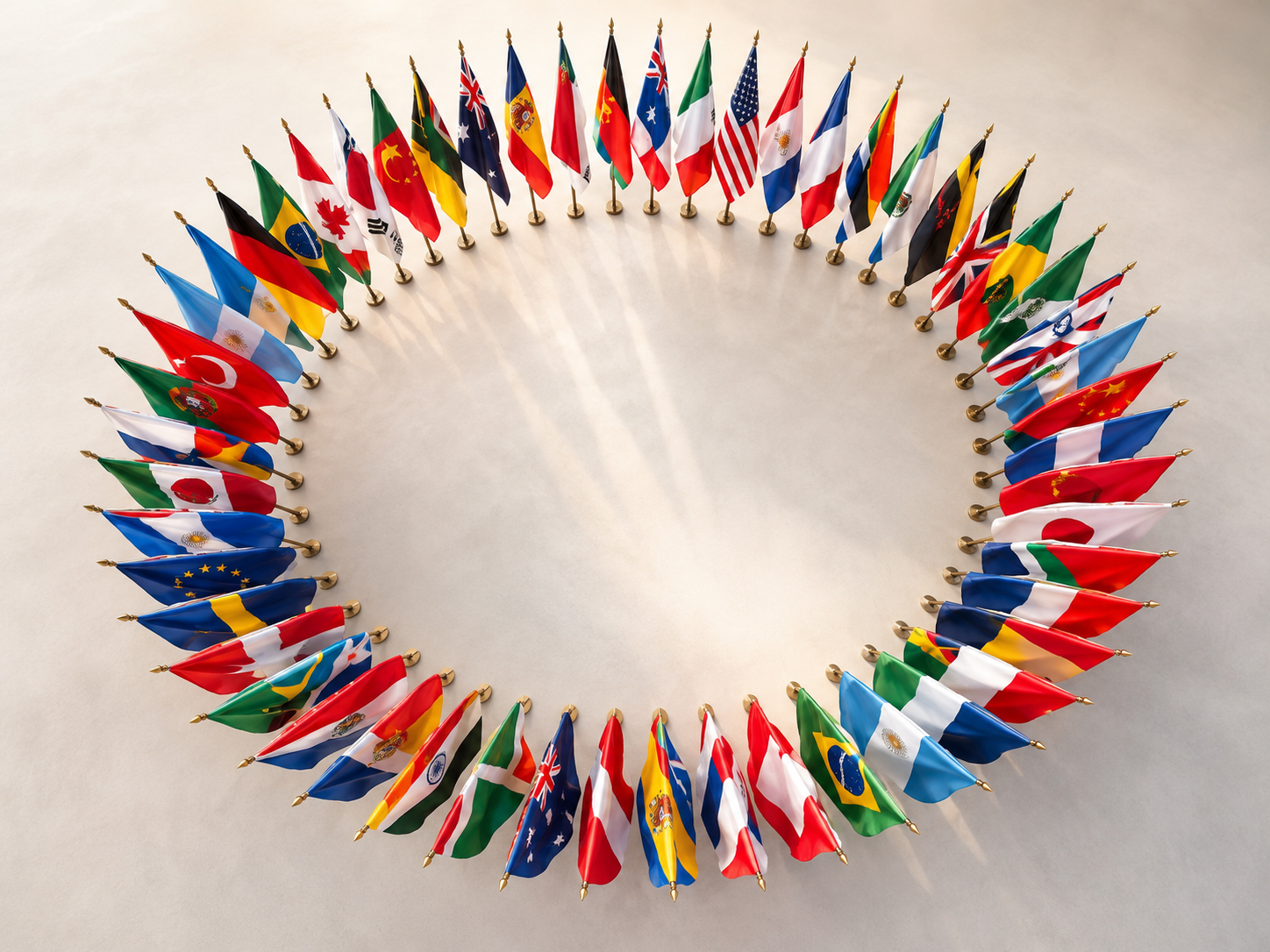
Modern public life
National flags remain part of public life because they do what words cannot always do quickly: announce identity, belonging, respect, mourning, ceremony, welcome, and sovereignty.
A national flag can turn a building into a diplomatic statement visible from the street.
Children often first encounter national symbolism through a flagpole, classroom, or ceremony.
At international events, flags transform competition into national recognition.
At funerals, cemeteries, and memorials, national flags become symbols of service and memory.
A national flag at a home can express belonging, pride, gratitude, and identity.
SolarFlag.com
A flag carries more than color. If it flies at night, light helps preserve the public meaning it was raised to express.